INJECTION MOULDING
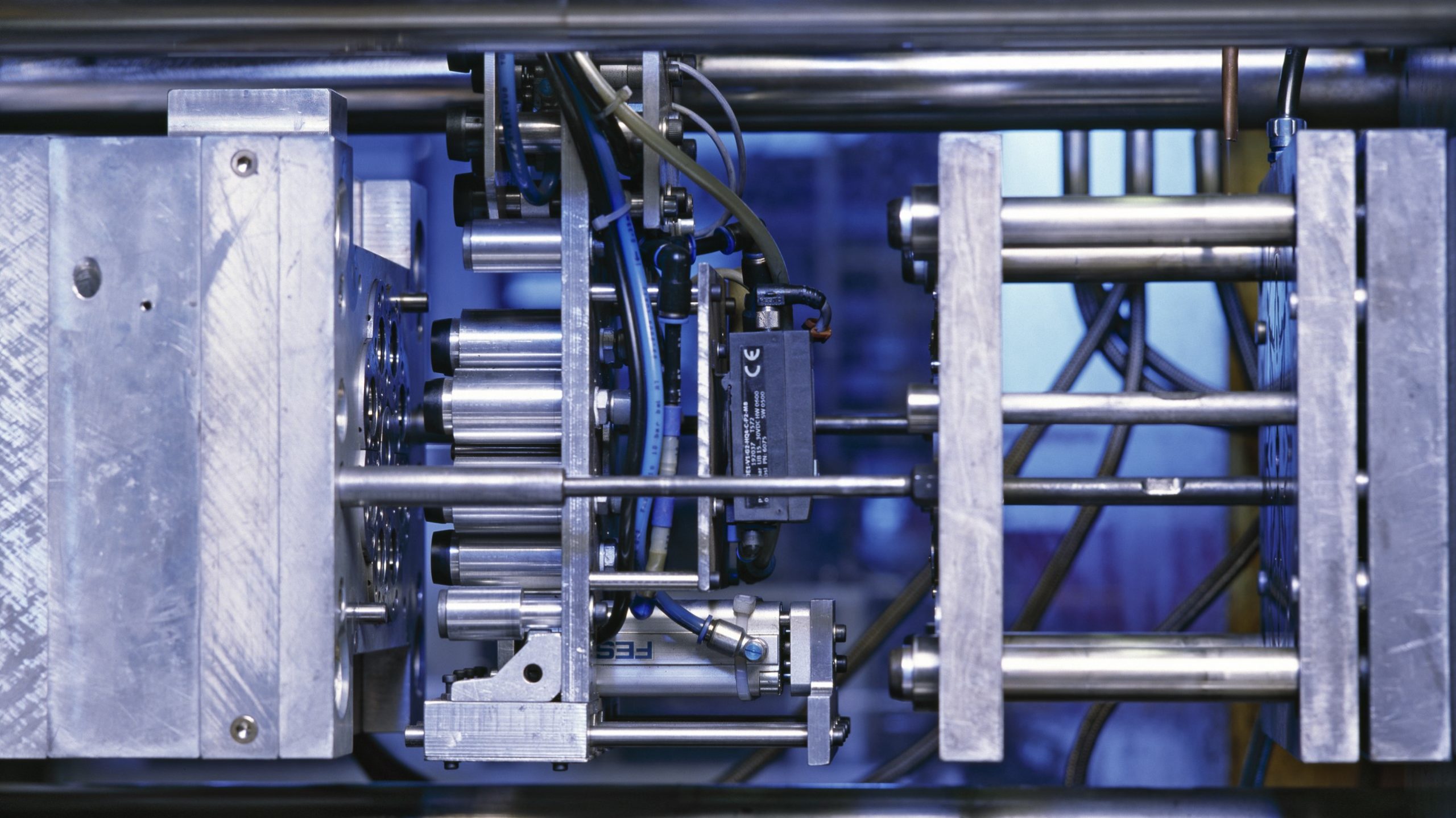
A core competence at Magnet Fabrik Bonn is injection moulding. Injection moulding allows a finished shape to be produced with maximum material utilisation. Material developments have seen the company bring to market its own proprietary grades.
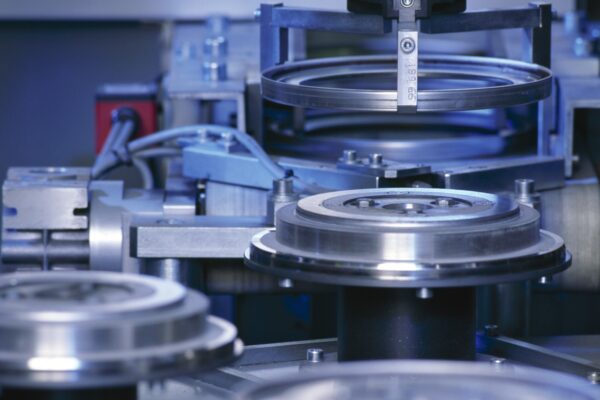
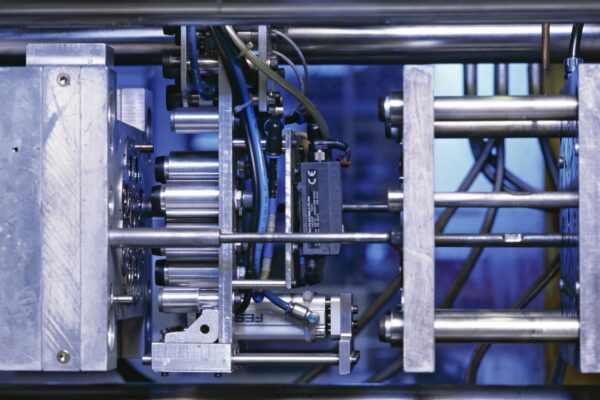
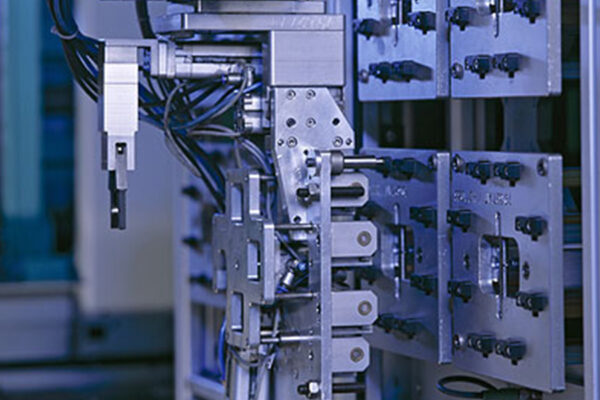
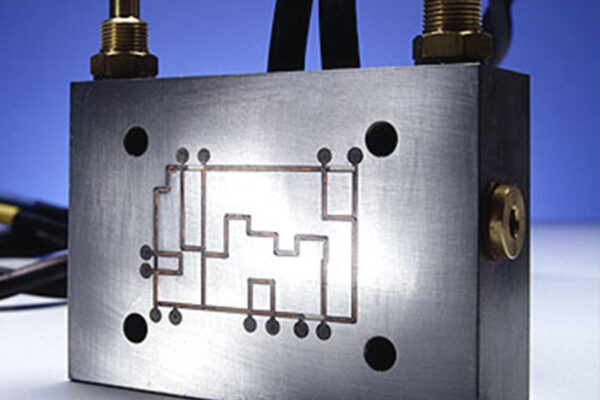
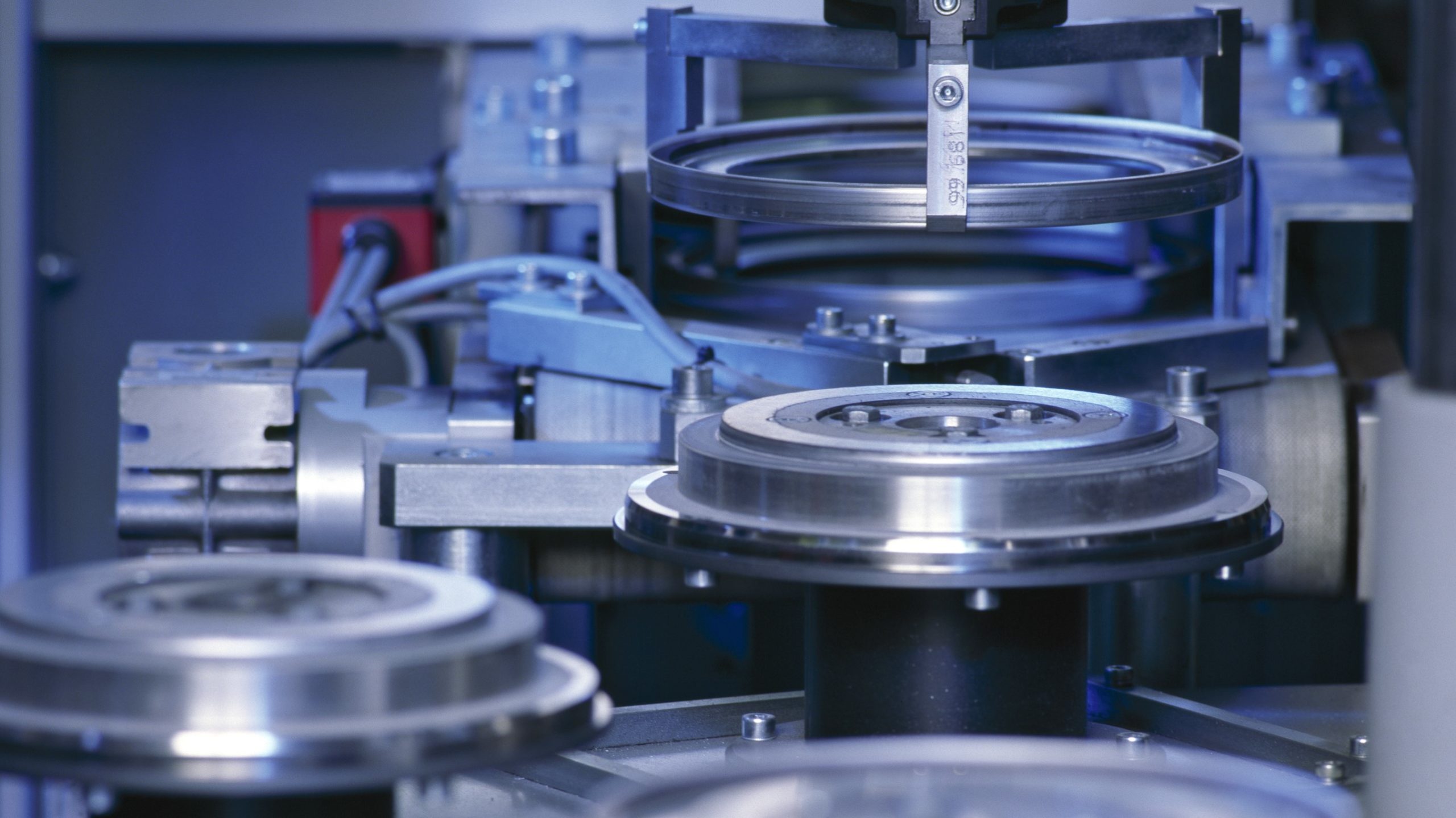
Magnets are manufactured from isotropic or anisotropic magnet materials. Barium ferrite or strontium ferrite powder is compounded with thermoplastic binders to form a granulate suitable for injection moulding. The granulate is then processed in customized injection moulding machines using specially developed tools. This inexpensive material can be magnetized in a variety of patterns by applying magnetic fields in the injection moulding machine. Subsequent magnetization is often not required. This technique is particularly cost-effective for long production runs.
The Permanent magnet material based on neodymium, iron and boron magnets use an isotropic NdFeB-based rare-earth material which is compounded with thermoplastic binders. The p material types are magnetized after moulding, since they are isotropic and thus not directional.
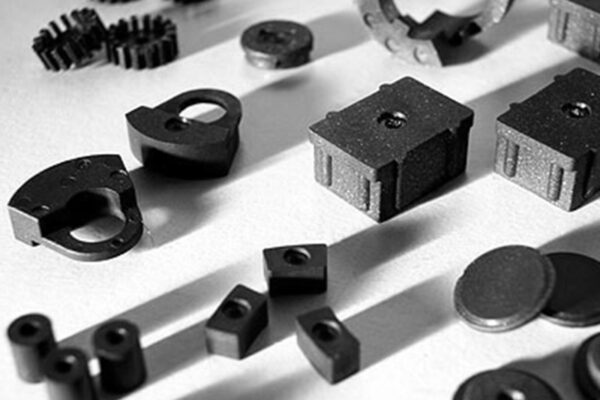
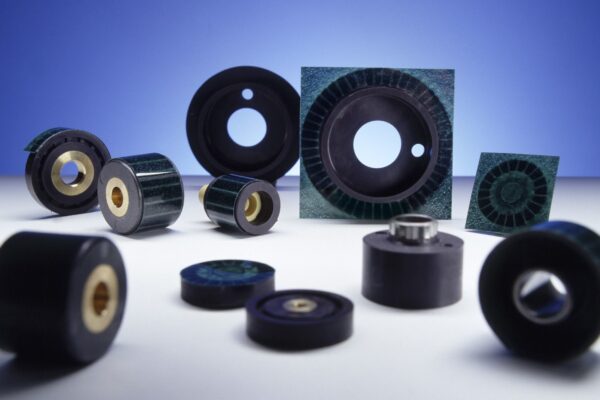
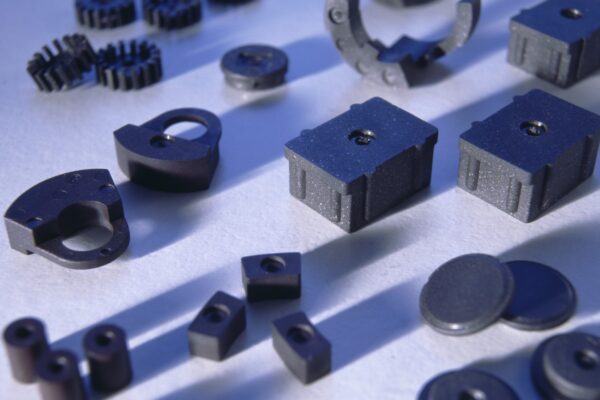
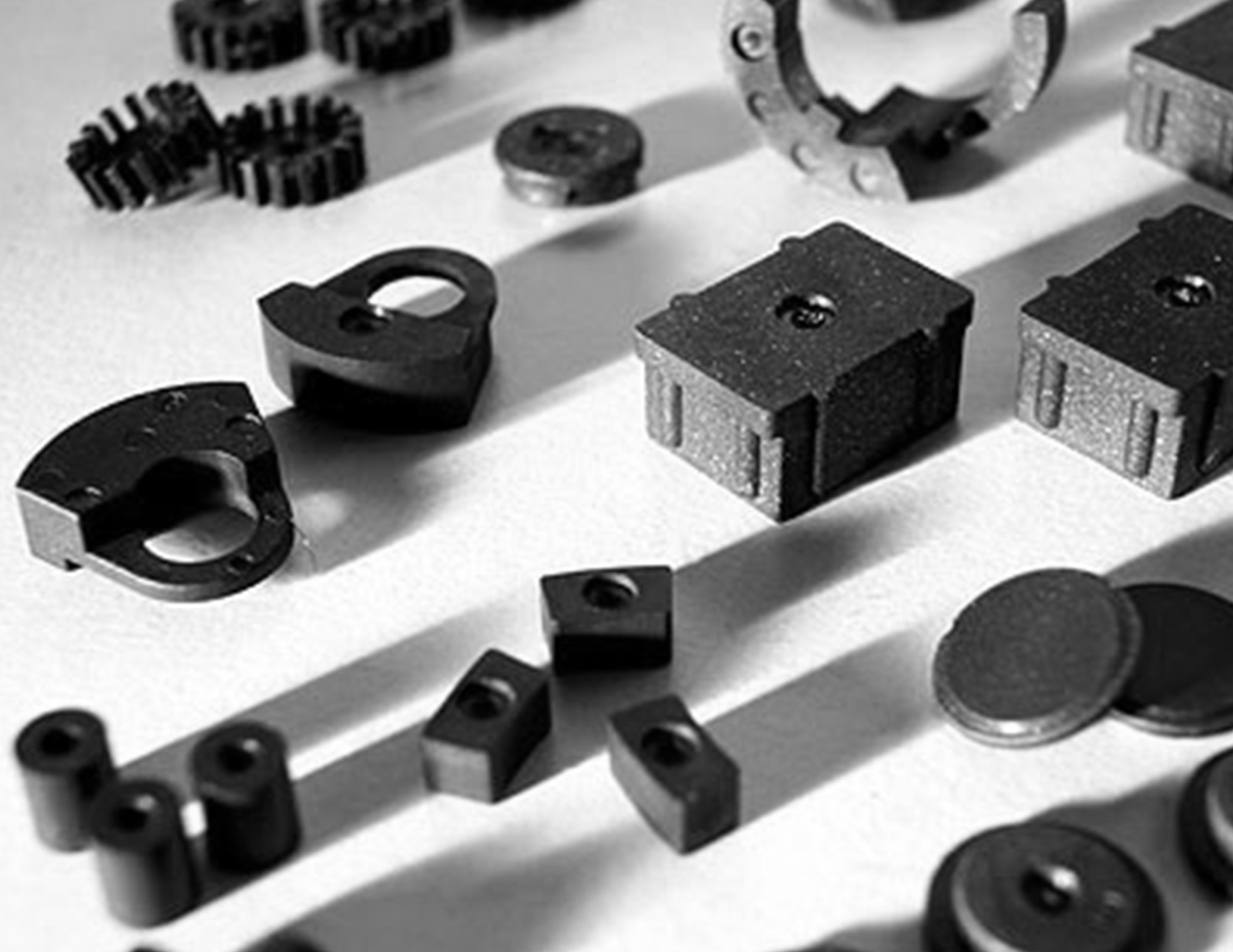
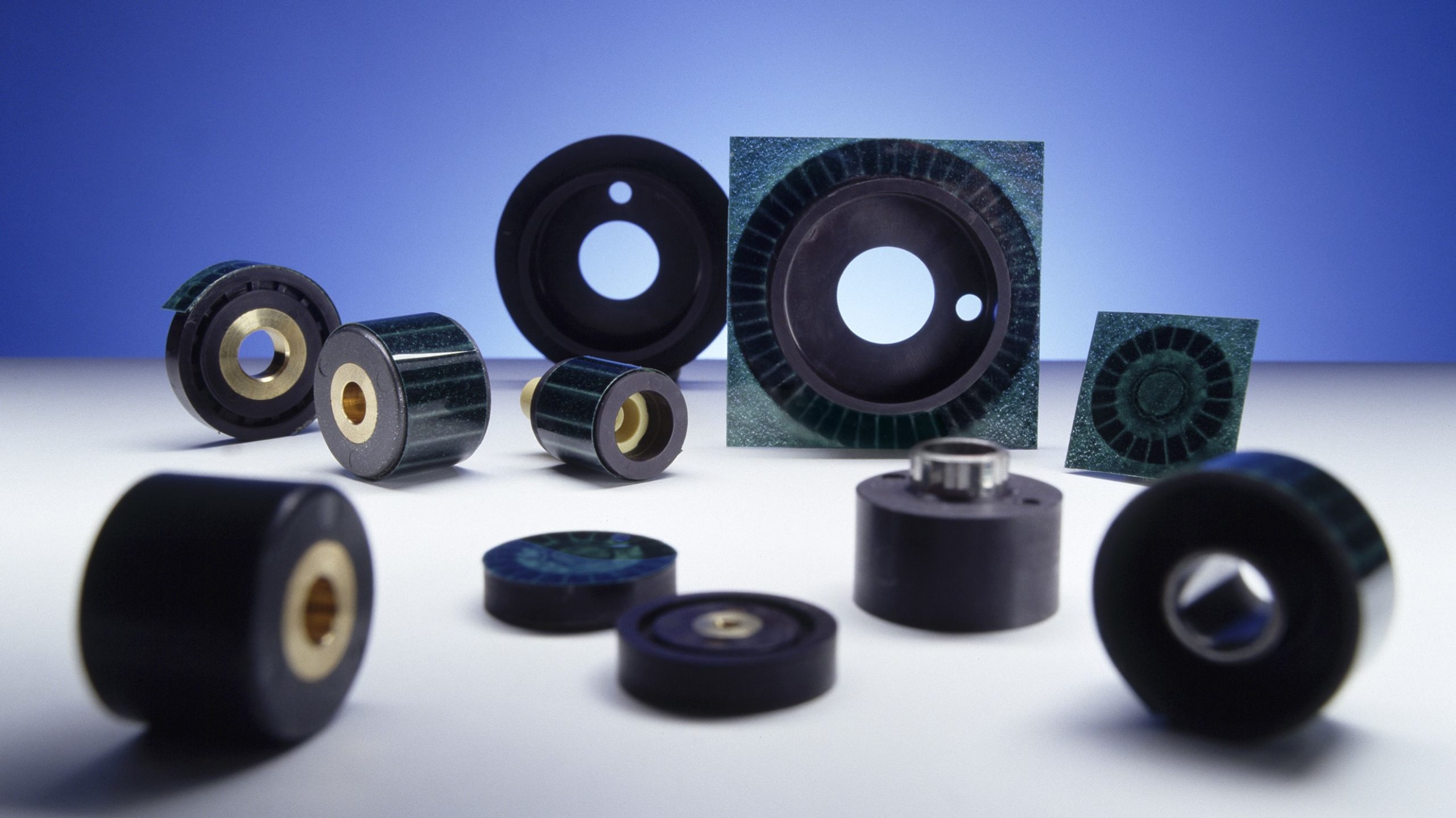
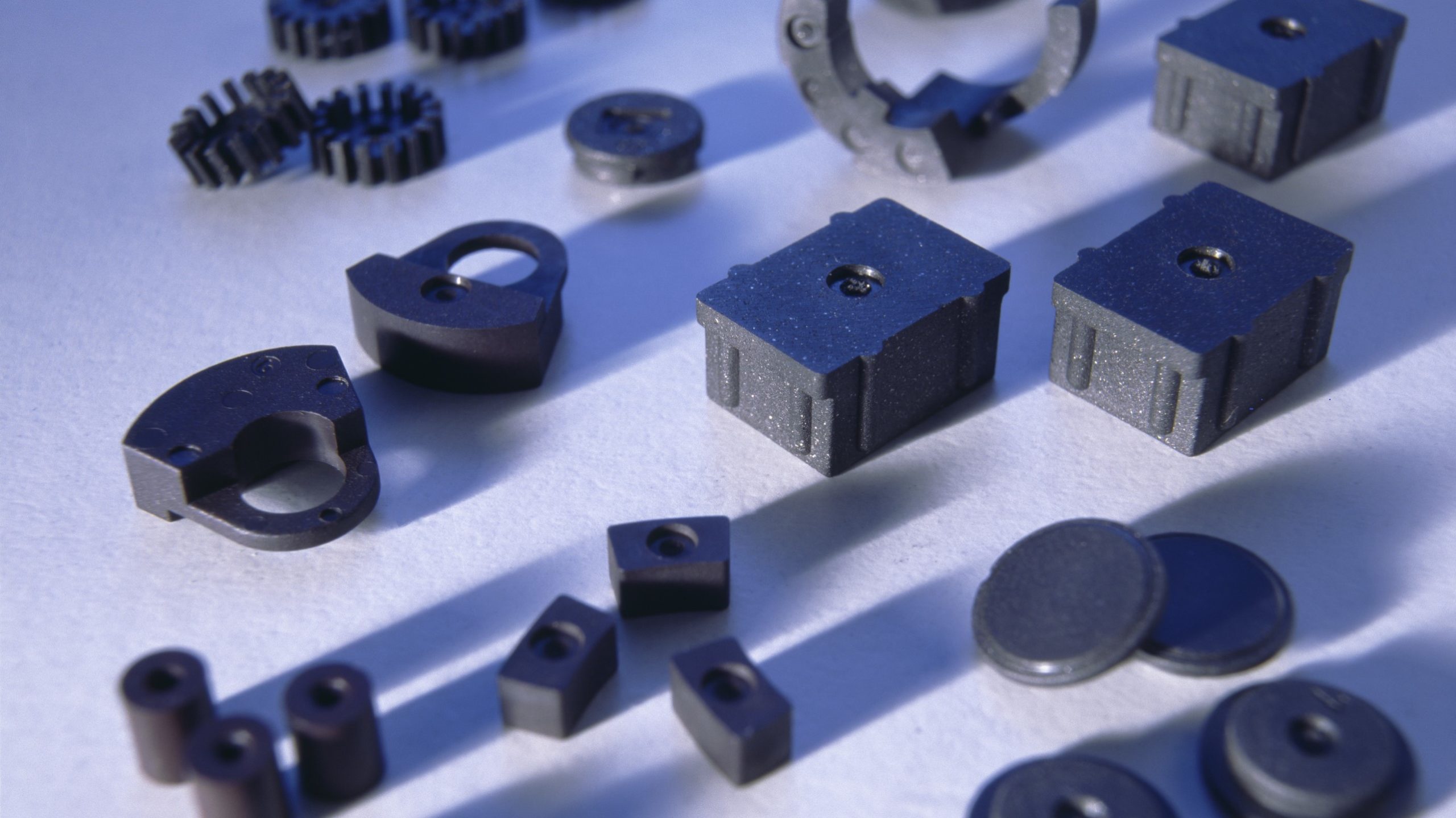
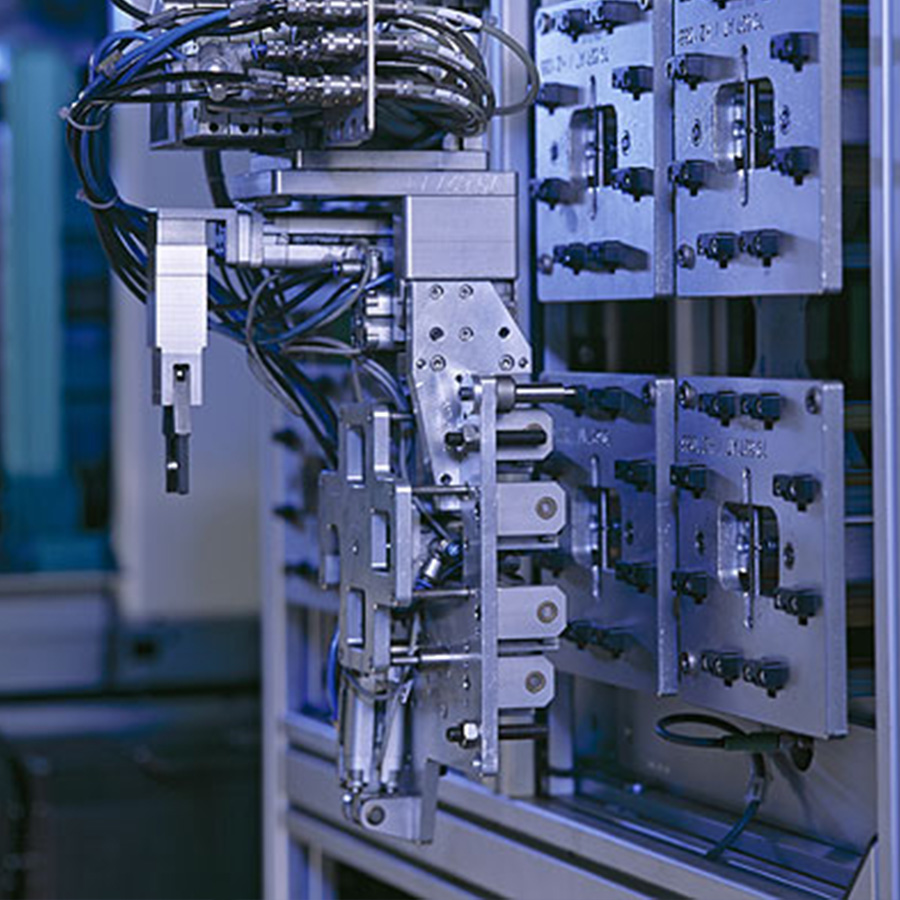
The advantage of the injection moulding process for producing magnets lies in the wide range of shapes that can be produced. It is also possible for inserts such as custom bushes or rings to be moulded in, with the inserts being loaded by hand or fully automatically, depending on the quantity produced. The costs of assembly operations can be reduced as such materials allow press-fit, snap-fit and positive-fit connections with motor shafts etc.
The production process allows products to be manufactured within such tight tolerances that no additional machining etc is generally necessary. Depending on the size of the moulding, the tolerances that can be achieved are in the range 0.03 through 0.25 mm. As required, polymer-bonded materials can be turned, drilled, milled and ground and they are not as brittle as sintered materials.
The proportion of synthetic plastic materials of typically ten percent by weight mean that the magnetic properties lie below those of unmixed material. On the other hand, with anisotropic grades, it is possible to achieve a directional magnetization during the injection moulding process. This in turn improves the magnetic properties.