FLEXIBLE CIRCUITS / HEATING ELEMENTS
Heating Elements derived from them, represent two crucial pillars for numerous industrial applications, from automotive to aerospace and consumer electronics. Pietro Galliani Spa, a leader in the field of laminated materials, is at the forefront of providing innovative solutions that meet these needs.
Thanks to expertise in lamination, they utilize next-generation materials and polymers to ensure excellent performance, durability, and flexibility. Laminates not only improve the energy efficiency of heating elements but also optimise the functionality and integrity of flexible circuits, allowing greater design and application freedom.
PRODUCTS
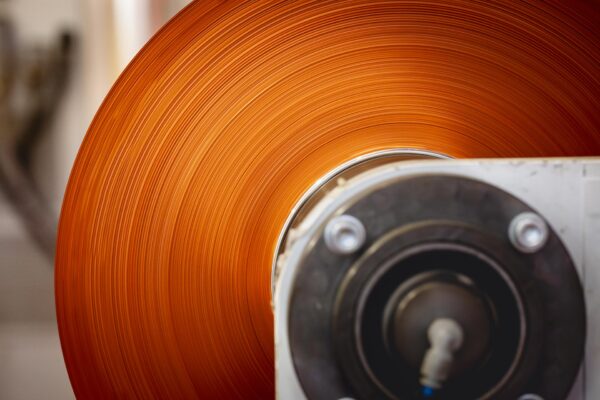
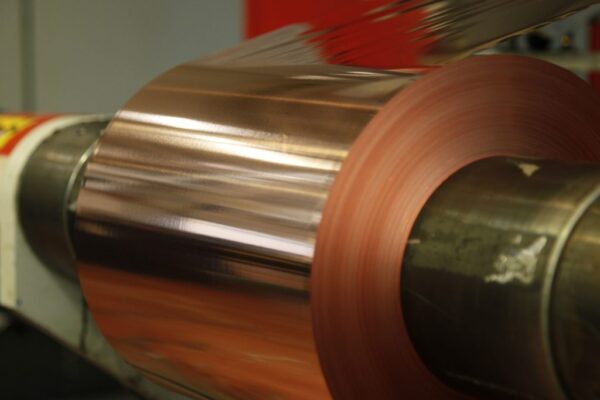
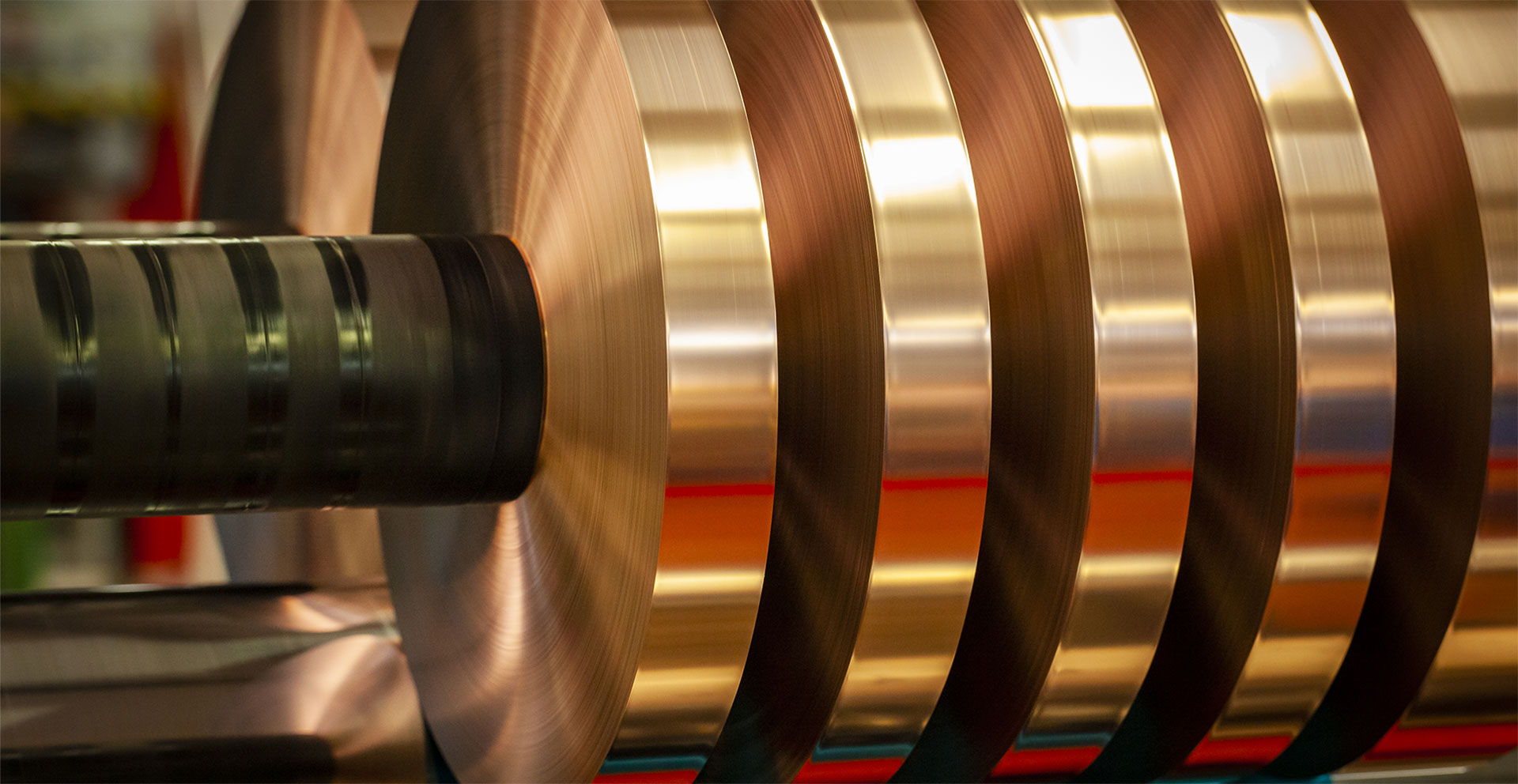
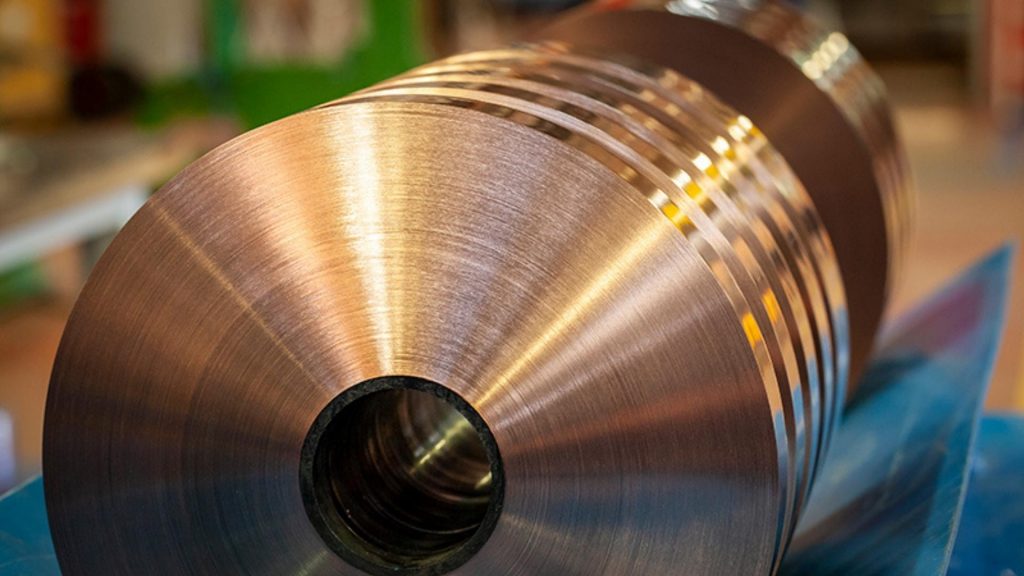
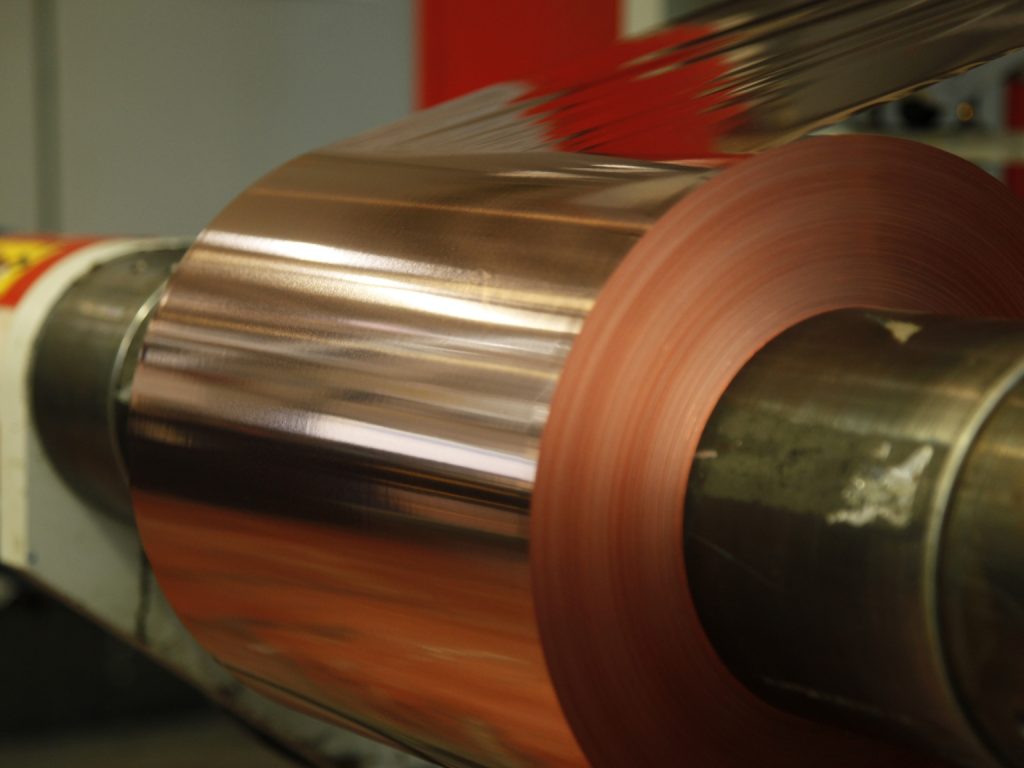
Copper Laminates:
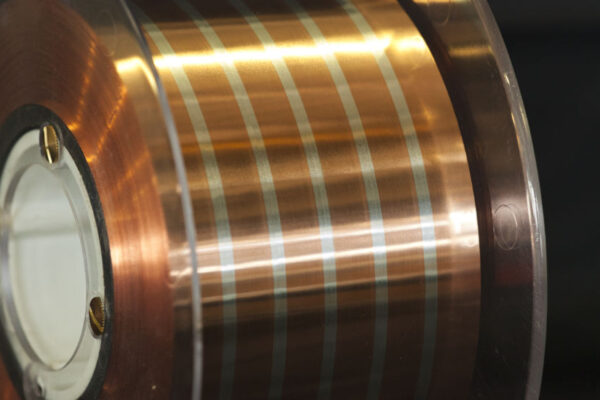
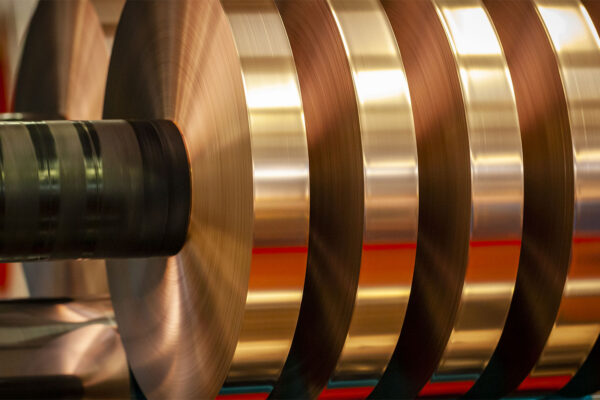
Copper ensures the best performance in terms of thermal conductivity among metals, while lamination enhances its flexibility. The thermal properties of the laminate depend on the polymer, with available options including : PET, PE, PEN, welding copolymers, Polyimide (PI), and their combinations.
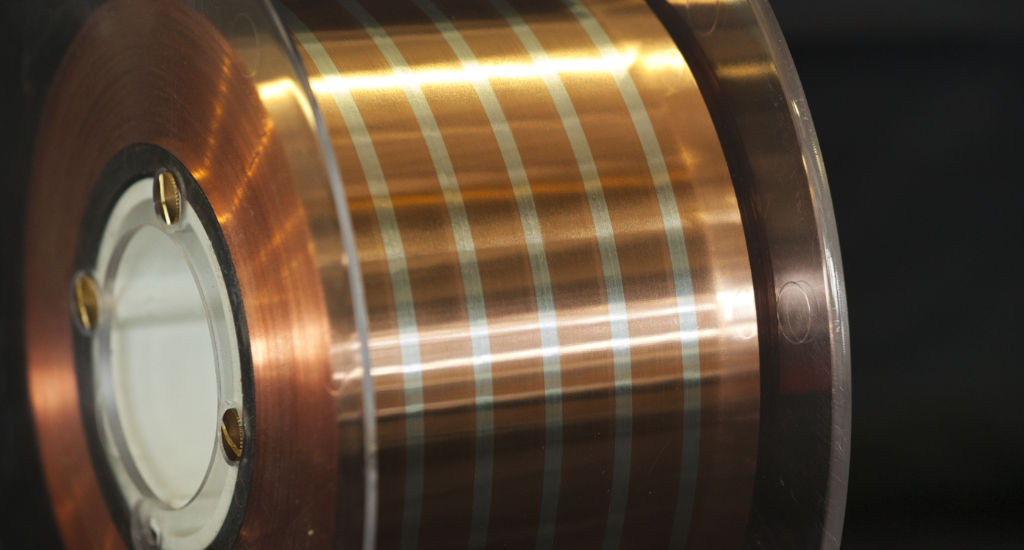
Copper-Aluminium Clad Laminate:
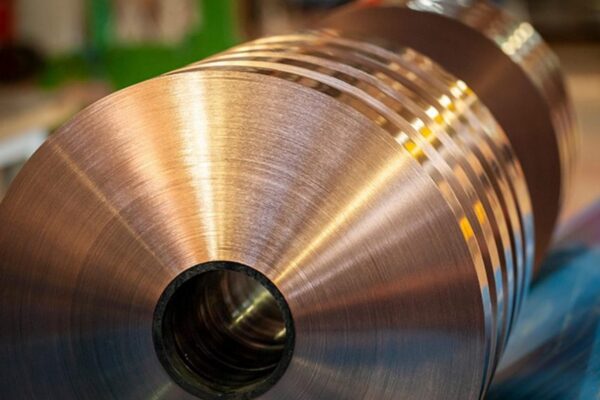
This special composite enables the creation of a highly conductive sheet, ideal for both Flexible Circuits and Heating Elements. It allows for the reduction of the more valuable material layer (copper), optimizing electrical properties. Combined with a polymer layer, it becomes extremely versatile, and thanks to the increased copper thickness, it outperforms sputtered products during the soldering phase. The choice of polymer and adhesive is optimized based on the expected peak and operating temperatures.
Aluminium Laminates:
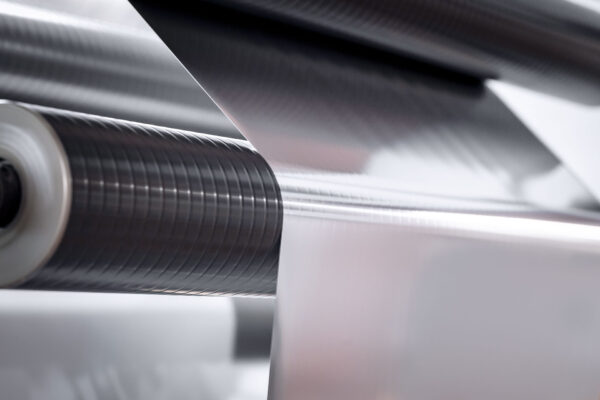
Aluminium is the material that most easily adapts to the necessary shape for heat transfer, and it heats up very quickly, offering an excellent quality-to-price ratio. Typically offer laminates with: PET, PE, PEN, PP, PVC, welding copolymers, and their combinations.
Special Laminates:
Various other types of laminates available on demand. For example, the Alpacca/PET solution. Alpacca is a copper-nickel-zinc alloy extremely suitable for applications in harsh environments due to its excellent corrosion resistance and, thanks to its low conductivity, it is suitable as a resistor for continuous heating applications.