Magnet Fabrik Bonn: Magnets

Geleval are UK representatives of Magnet Fabrik Bonn.

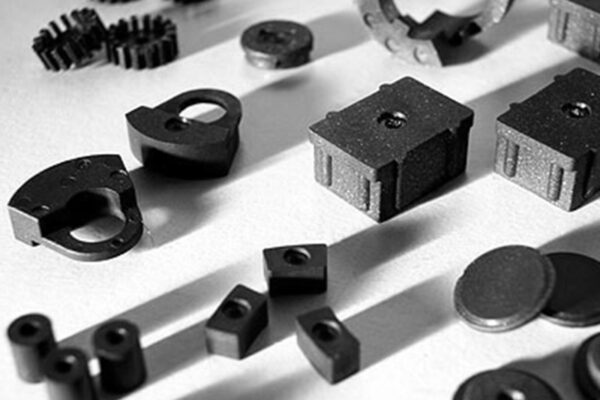
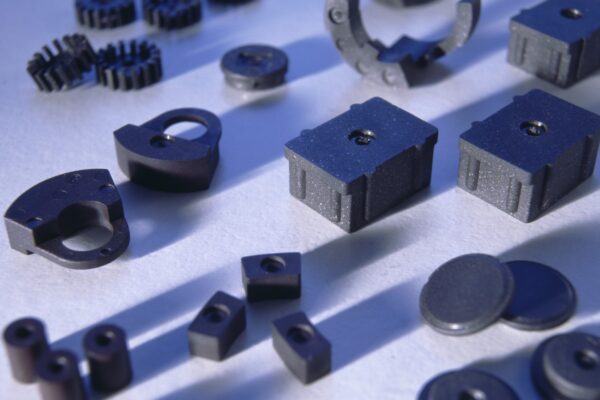
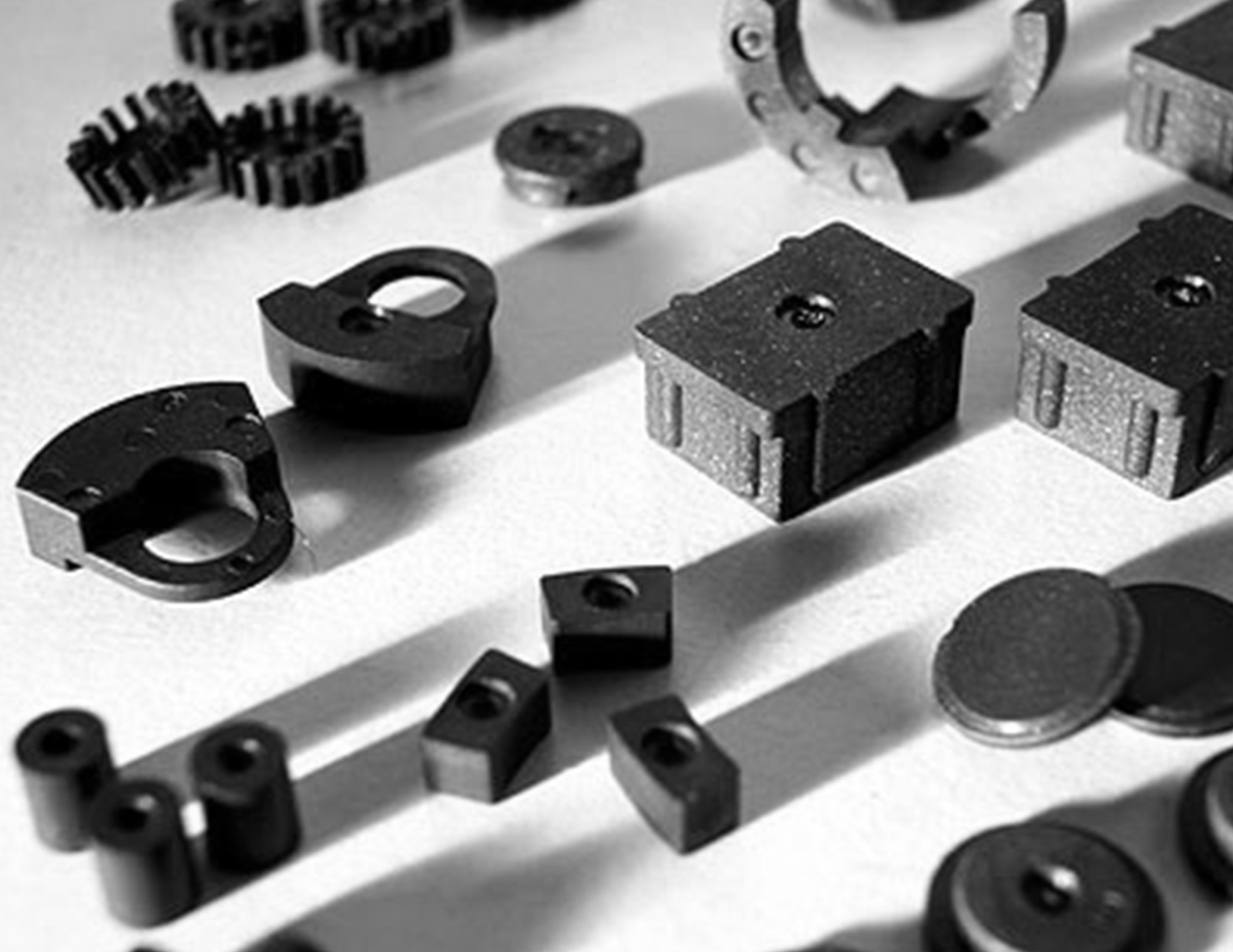
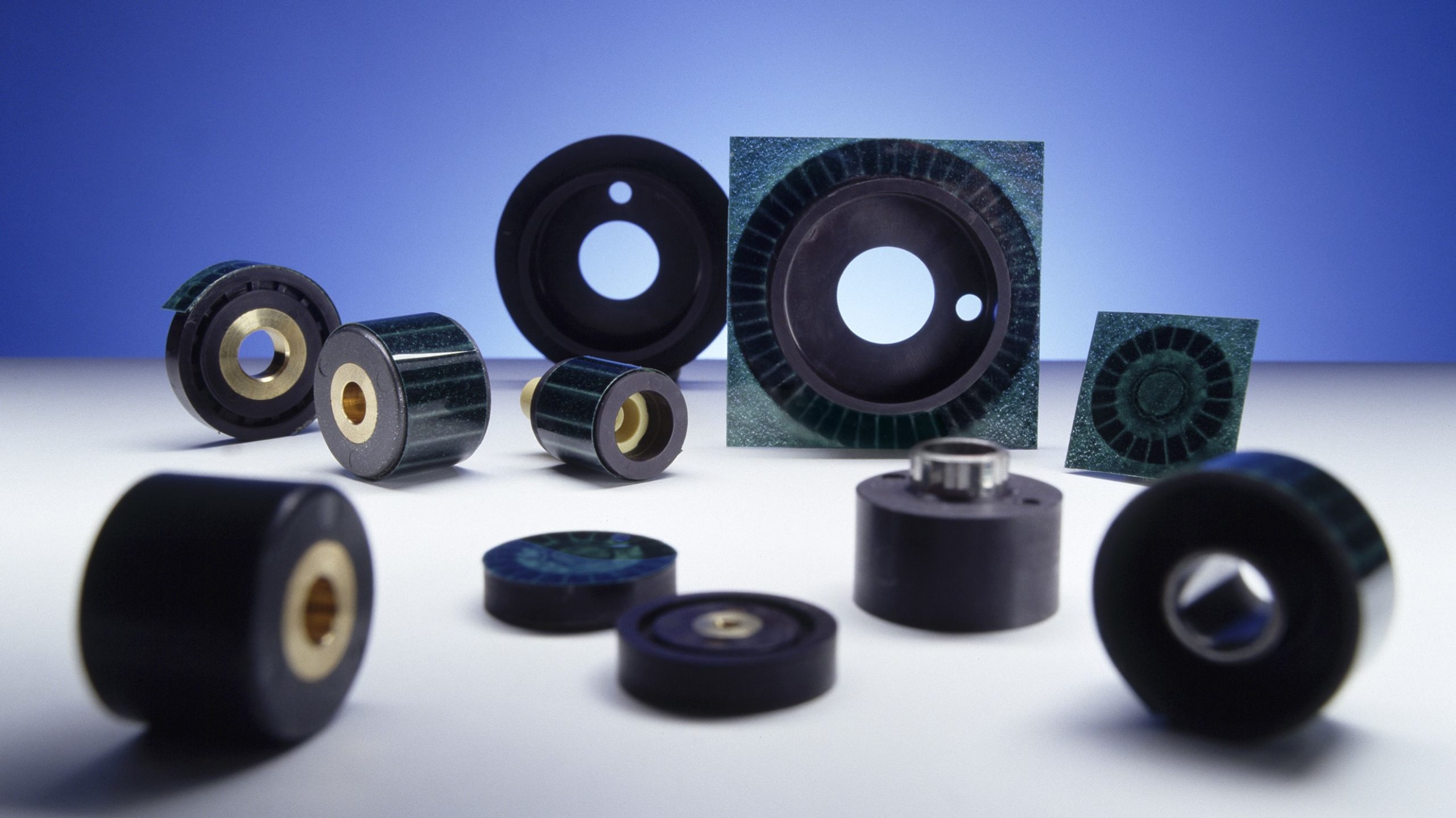
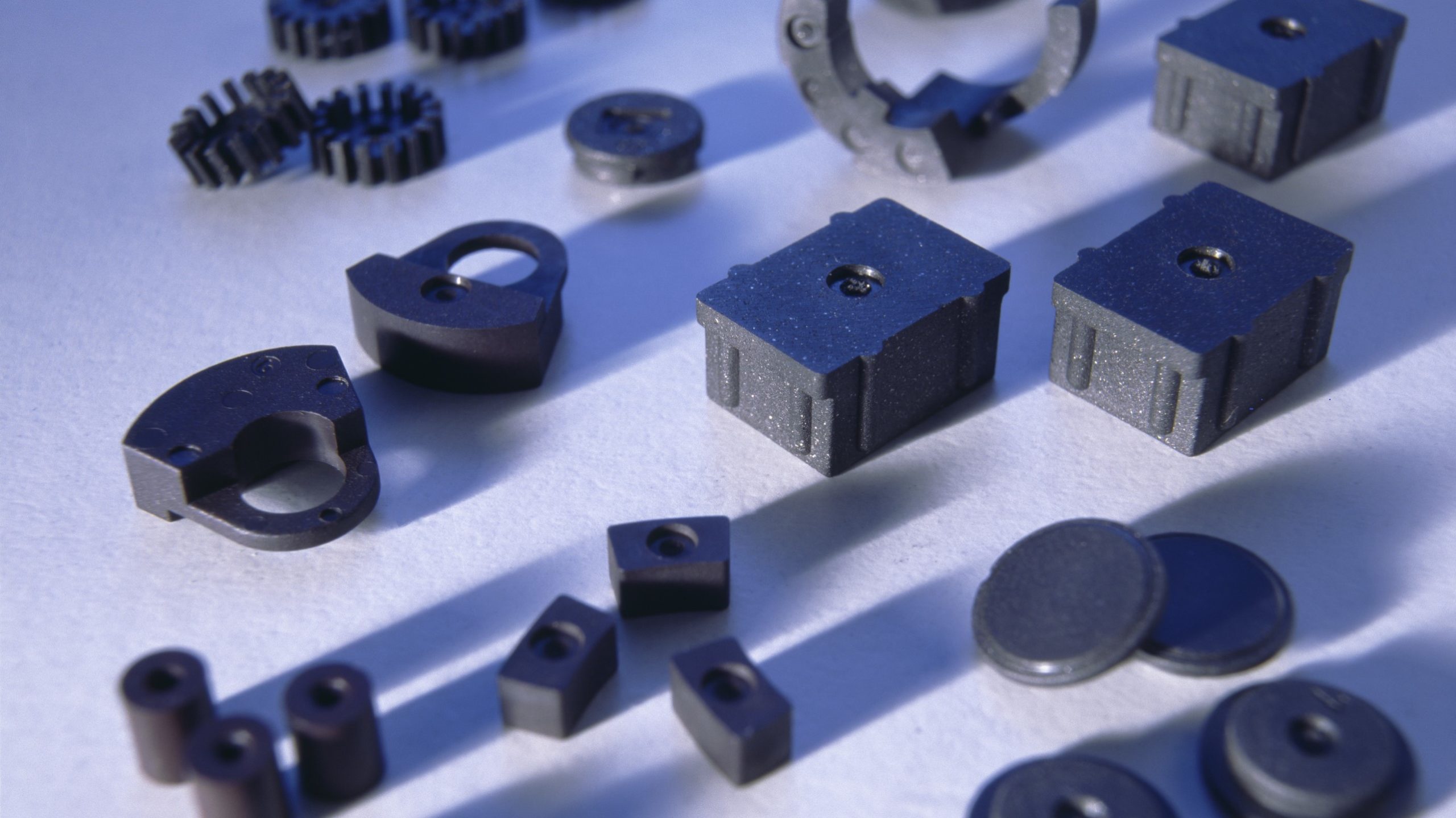
MAGNET FABRIK BONN are a long established family owned business based in Western Germany. The company are leaders in the field of Permanent Magnets / Polymer Bonded Permanent Magnets.( If a magnet powder is blended with plastic material it is possible to apply methods used in the plastic industry (injection molding, rolling, extrusion) to produce magnets of very complex shapes).

Magnet Fabrik Bonn manufacture in a variety of materials

  • AlNiCo (Aluminium , Nickel , Cobalt)
  • Hard Ferrite
  • ReCo Rare Earth Cobalt
  • ReFeB Rare Earth Iron Boron

Rare earth magnet materials: The rare earth metals Nd (Neodymium) and Sm (Samarium) are used in different alloys for manufacturing permanent magnets with very high magnetic properties.

INJECTION MOULDING

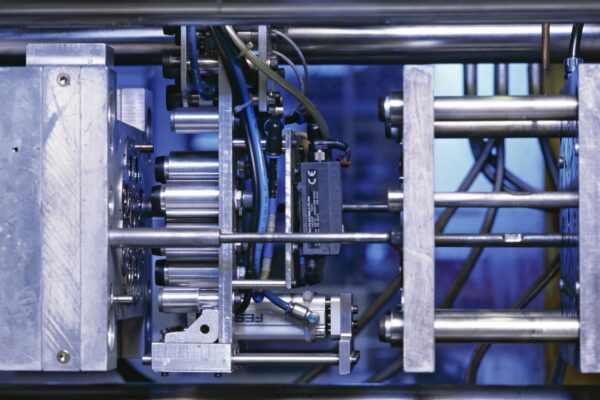
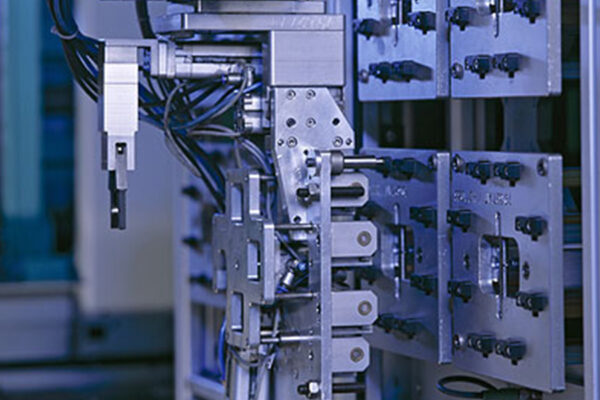
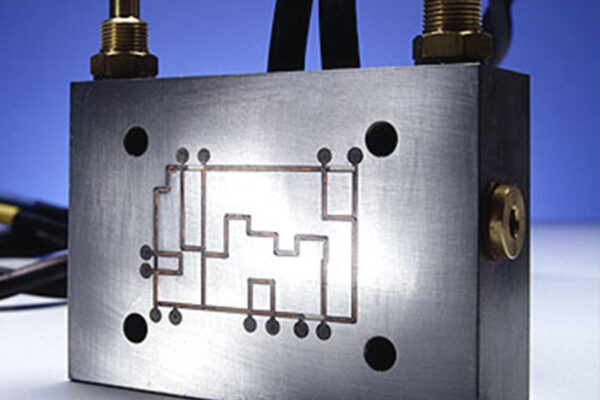
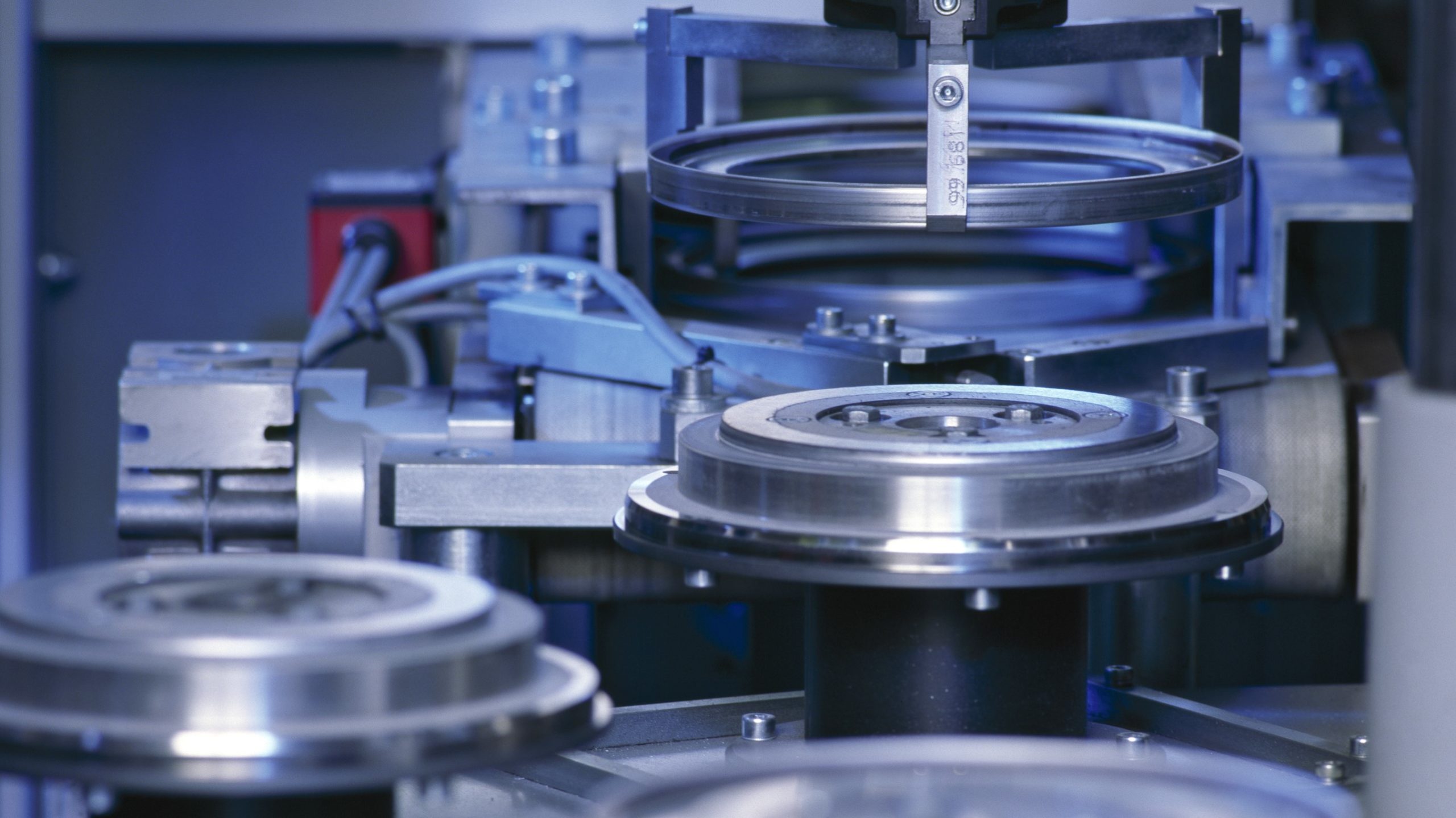
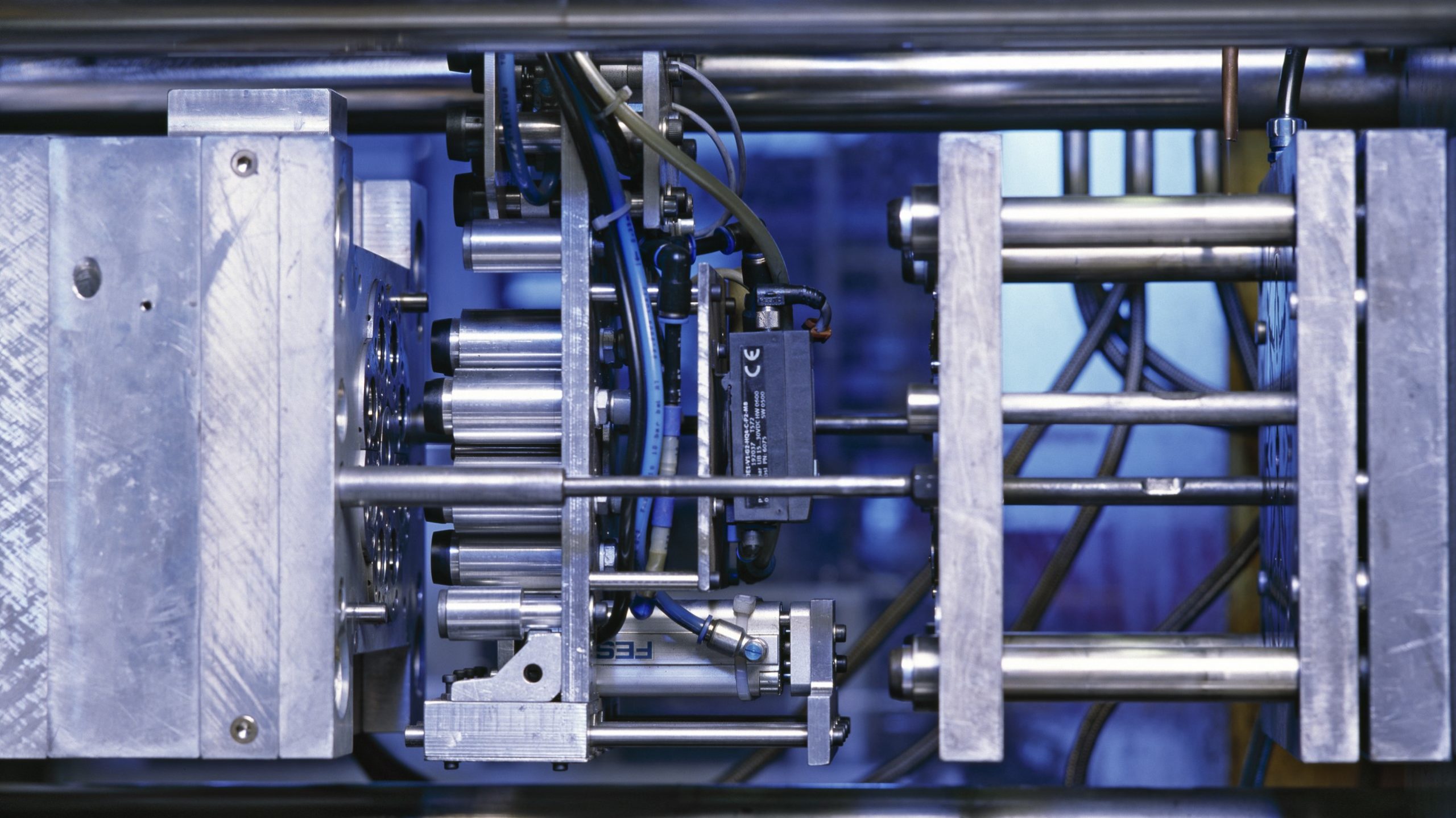
A core competence at Magnet Fabrik Bonn is injection moulding. Injection moulding allows a finished shape to be produced with maximum material utilisation. Material developments have seen the company bring to market its own proprietary grades.

Magnets are manufactured from isotropic or anisotropic magnet materials. Barium ferrite or strontium ferrite powder is compounded with thermoplastic binders to form a granulate suitable for injection moulding. The granulate is then processed in customized injection moulding machines using specially developed tools. This inexpensive material can be magnetized in a variety of patterns by applying magnetic fields in the injection moulding machine. Subsequent magnetization is often not required. This technique is particularly cost-effective for long production runs.

The  Permanent magnet material based on neodymium, iron and boron magnets use an isotropic NdFeB-based rare-earth material which is compounded with thermoplastic binders. The p material types are magnetized after moulding, since they are isotropic and thus not directional.

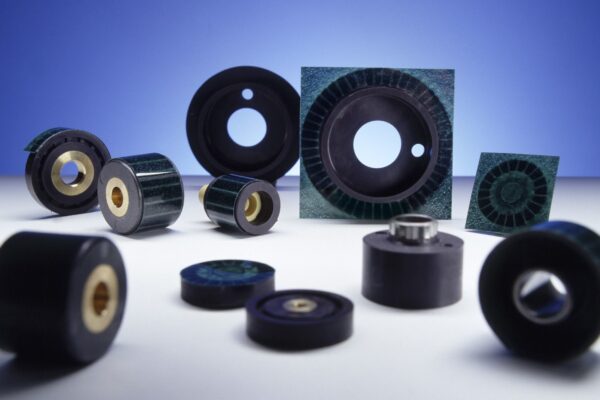
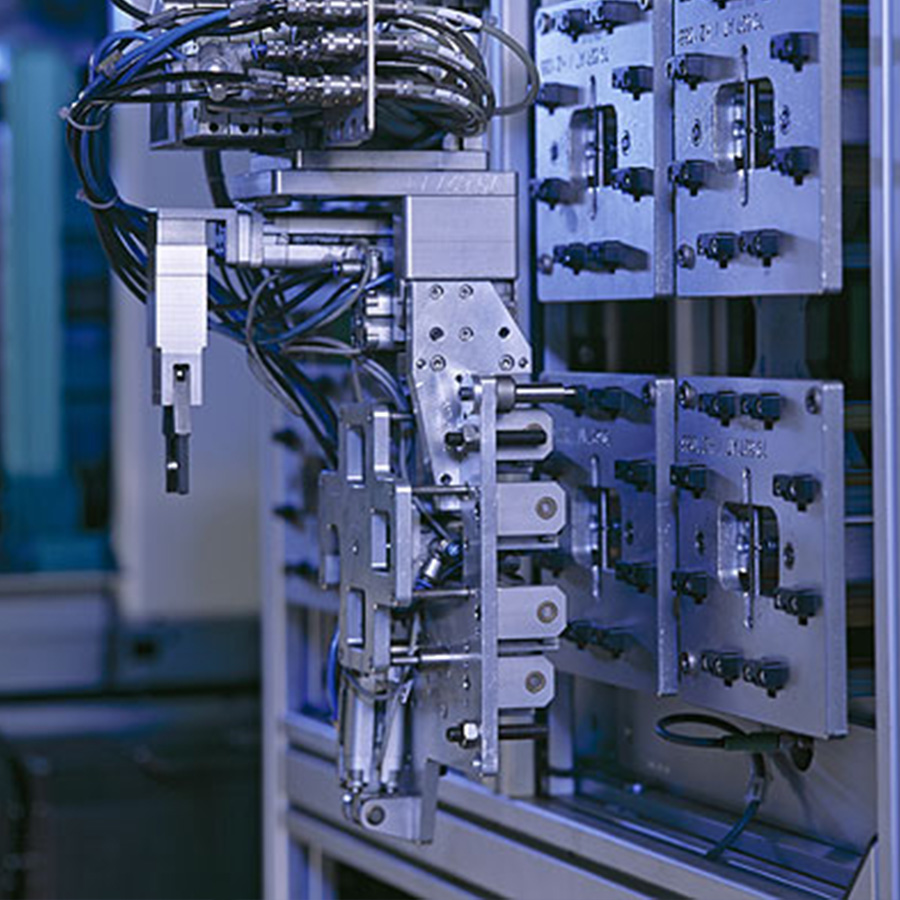
The advantage of the injection moulding process for producing magnets lies in the wide range of shapes that can be produced. It is also possible for inserts such as custom bushes or rings to be moulded in, with the inserts being loaded by hand or fully automatically, depending on the quantity produced. The costs of assembly operations can be reduced as such materials allow press-fit, snap-fit and positive-fit connections with motor shafts etc.

The production process allows products to be manufactured within such tight tolerances that no additional machining etc is generally necessary. Depending on the size of the moulding, the tolerances that can be achieved are in the range 0.03 through 0.25 mm. As required, polymer-bonded materials can be turned, drilled, milled and ground and they are not as brittle as sintered materials.

The proportion of synthetic plastic materials of typically ten percent by weight mean that the magnetic properties lie below those of unmixed material. On the other hand, with anisotropic grades, it is possible to achieve a directional magnetization during the injection moulding process. This in turn improves the magnetic properties.


MARKETS AND APPLICATIONS FOR POLMER BONDED PERMANENT MAGNETS

Typical applications of modern sensor technology in the automotive industry 

  • ABS systems 
  • ESP 
  • Steering angle sensors 
  • Fuel tank level sensing 
  • Position sensing for valve control 
  • Locking systems 
  • Tachometers
  • Automatic gear control
  • Power window control 
  • Sunroof control 
  • Seatbelt lock sensing 
  • Load levelling systems 
  • X-by-wire

Magnets from Bonn competence in Automotive Sensor Technology

The rising demand for convenience, safety and quality in many industrial sectors requires precise sensor technology suiting individual applications and products, with a very high reliability and thermal stability. A wide range of types of sensors is in use developed for various tasks, working surroundings and cost considerations.

The application determines the type of sensor

Hall sensors  

Hall Sensors utilize the influence of a magnetic field on an electric current.

As a result of the Hall effect, the magnetic field strength can be measured in one direction.

Because of their low voltage, Hall ICs are frequently configured with integrated amplification and signal interpretation.

Analog sensors provide an output voltage that is almost linearly proportional to the magnetic field (within a specified field strength range).

As an alternative there are a great number of digital output sensors which only react to either the north or the south pole (unipolar sensors) or to both poles (bipolar sensors). 

An occasionally wide distribution of the switching values must be considered – as must also be the dependence on temperature and the hysteresis between switching on and switching off points.

Magneto-resistive sensors 

Based on the change in electrical resistance of a conductor in a magnetic field, these sensors provide an analog voltage signal too. However, because of the poor linearity, the applications based on the classical magneto-resistive effect together with permanent magnets are restricted.

AMR sensors 

AMR sensors utilize the anisotropic magneto resistive effect, i.e. they exploit the difference between resistivity parallel to and that perpendicular to the magnetization in magnetic materials. These sensors have found new applications as angle sensors during the last years in magnet technology, as an angle sensor can be manufactured in a simple way on one chip from two sensors.

Reed switches 

Hermetically sealed (in an inert atmosphere) in a glass tube, two ferro-magnetic reed blades come into contact when exposed to a magnetic field.

Benefits of Polymer Bonded Magnetic Materials In Automotive applications

Sensors impose requirements on the precision and repeatability of the magnetic fields concerned. Polymer bonded magnetic materials, for which a magnetizable filler is bonded in a plastic matrix, fulfil these requirements ideally

They have the advantage of a high magnetic and mechanical homogeneity at moderate magnetism levels. Thanks to a production process which is cost effective and capable of a high degree of automation, our magnets can be produced particularly efficiently and economically. 

To meet our customers ‘specific needs we offer a wide range of materials, from low-cost ferrites to magnetically stronger rare earth materials, in combination with various binding materials in the production processes.

Multi-channel interrogation of a gear shifting gate

In locking systems or gearboxes for the automotive industry, several digital switches are activated at varying switching positions. In these applications the switching functions are realized by means of several channels on a magnet, of which the north Magnet Fabrik Bonn: partner of the automotive industry Magnetic field pattern Pole representation with increasing distance from the magnet’s surface and south poles serve as the on and off positions of the switch. Basically a switching point is identical with the change in polarity only directly at the magnet’s surface, whereas at a distance of more than 1 mm the magnetic fields of the various channels influence each other. By using a procedure for calculating the field, the magnetization can be so optimised, that the switching positions correspond

Static angle detection using an AMR sensor 

The angle of the magnetic field reacts much less sensitively than field strength to changes in the distance of the sensor from the magnet surface. With AMR sensors or with multiple hall sensors, an angle signal can be processed. 

Angle detection is an analog measurement process, i.e. Stringent requirements are made on the homogeneity of the angle and the accuracy of magnetization.

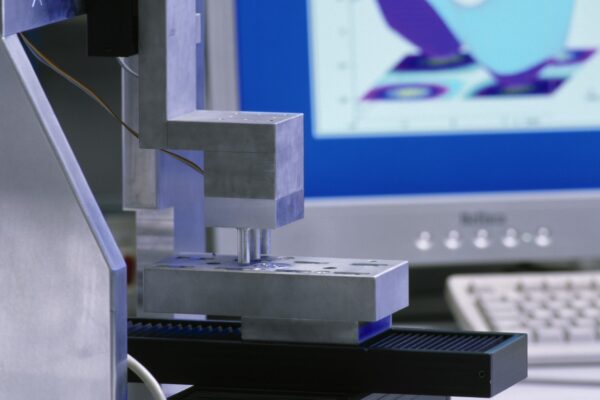
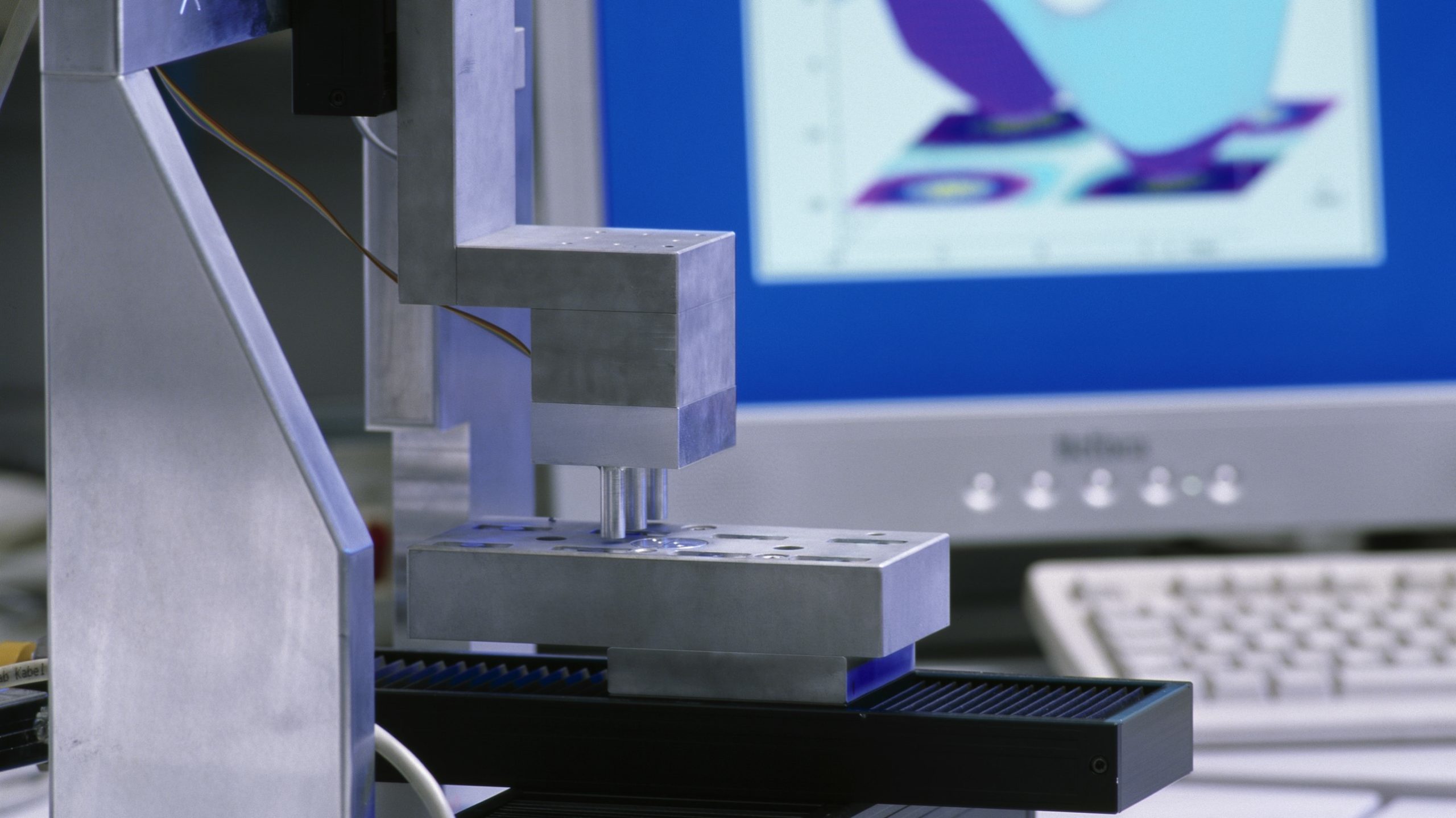
A typical procedure consists in interrogating an AMR element frontally by means of a bipolar magnetizing agent, magnetized at the surface. The type of magnetisation can be specified so that the homogeneity is significantly less than 1 degree of arc over a diameter range of several mm. In this order of magnitude, stringent requirements are made on the magnetisation and measurement technology. With specialized measuring instruments itis possible to record angle variations in a cost-effective way during the production, based on large samples

Magnets for high-precision linear position detection for automotive and industrialy

Permanent magnets are used as a cost-effective solution for high-precision linear position detection in challenging environments. 

For absolute position detection, two field components must be scanned. This can only be achieved with very exact magnetisation. Magnetfabrik Bonn specialises in cost-effective polymer-bonded hard fer rite magnets that optimally fulfil the requirements of sensors thanks to their complex magnetisation. With a pole pitch 1 mm, we also offer solutions for applications in the µm range.

A linear position detection system measures the position of an object, such as a shaft, a piston or a switch, which can only be moved in one direction. For applications with small linear displacements of up to several tens of milli metres, there are very precise and cost-effective ve magnetic sensor solutions for harsh envi ronments. The advantages include high resolutions, low power requirements, non-contact measurement, miniaturisation potential and robustness against temperature and dirt. As the magnetic field penetrates non-magnetic materials and is hardly affected by dirt and water, such systems are ideal for many auto motive and industrial applications. The magnets with complex magnetisation and geometries are manufactured cost-effectively from plastic-bonded materials using injection moulding. With proper handling, the magnets can be used for several decades.

Automotive applications 

Linear magnets play an important role in a variety of automotive applications. One frequent use is to measure the position of the pedals and then supply data to the control unit. Other applications include use in automatic transmission systems, e.g. for detecting gear changes or clutch pedal position and for brake detection. In wheel suspension, linear sensors detect the path of the shock absorbers, and linear measuring principles also help in power steering, ESP and short rotation (throttle valves).

Industrial and consumer applications

In industry, linear magnetic sensor systems detect the position of conveyor belts, cylinders, gears and other moving objects in assembly lines and automated systems. In consumer applications, these sensors are used in devices such as printers, photocopiers, 3D scanners, joysticks and other high-precision applications.

Chip trap magnets in transmissions systems

Chip trap magnets have been used successfully in oil pans and oil drain plugs in cars for decades. Traditionally, AlNiCo1 alloys and sintered hard ferrites have been used for this. For years, Magnetfabrik Bonn has been supplying plastic-bonded magnets for this purpose. Plastic-bonded magnets have weaker fields due to their material, but their ability to capture debris is higher since, due to the surface and lattice-like geometry of the component, the ferromagnetic debris is held securely for the entire service life of the part.

Even the earliest permanent magnet applications made use of the forces between magnets and iron particles. For decades, magnets have been used as separators to remove iron parts from liquids or loose solid masses. One logical development of this filter technology was to protect machines using separators which remove iron chips from flushing liquids and lubrication oils. Chip trap magnets work in a similar way and are becoming an effective method for removing metallic contaminants with a size of up to 30 µm which form due to transmission wear, for example. The capture performance of these magnetic components in comparison with conventional solutions can be multiplied by a magnetic grid structure which is tailored to this application. Magnetfabrik Bonn invented plastic-bonded permanent magnets for applications of this kind and has successfully positioned itself as a designer and producer of complex chip trap magnet shapes. Affordable, cost-effective solutions using polymer-bonded hard ferrite magnets are used to replace traditional sintered ferrite plates and AlNiCo designs.

Robust angle measurement with an in-shaft solution 

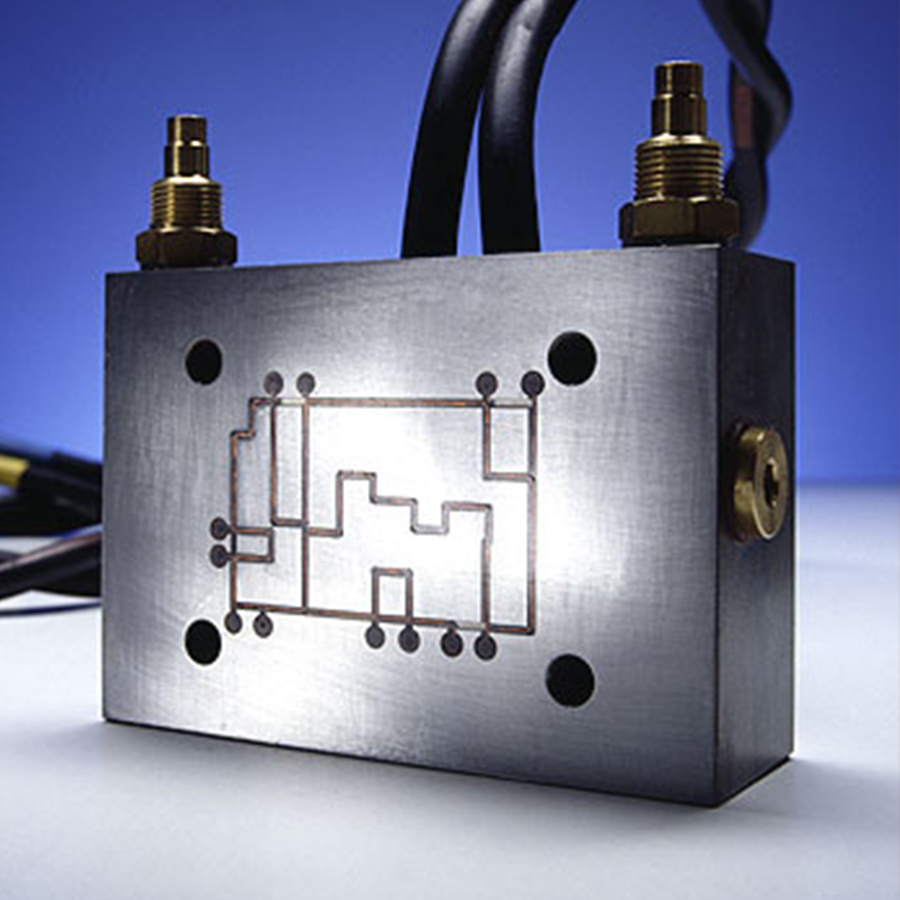
Electricity is increasingly being used in many automotive and industrial applications, solutions with interference immunity are required. The precision needed from magnetic angle measurement systems require high magnetic field homogeneity. To respond to these requirements, Magnetfabrik Bonn has developed a ring magnet with magnetisation based on the Halbach1 principle and a measuring device for rapid inline evaluation of field homogeneity.

Magnets for stray field-immune angle measurement (based on the difference principle)

Due to the high currents involved in electric motors and circuits in hybrid and electric vehicles generate magnetic fields which affect the accuracy of magnetic field sensors. Sensors which measure based on differential principles can reduce or eliminate this problem. However, they require sensor magnets which are adapted to  the measuring principle. The requirements, particularly with regard to the field gradients and installation space for sensor magnets, present magnet manufacturers with new challenges. Magnetfabrik Bonn GmbH has developed an economical polymer-bonded hard ferrite magnet that optimally fulfils these sensor-related requirements due to a special configuration of its 4-pole magnetisation.

Permanent magnets and magnetic field sensors are used as measuring systems in many applications. They detect linear and rotary movements in cars, machinery and domestic appliances reliably and precisely. Due to their high level of vertical integration and economic efficiency, field sensors, which usually make use of the Hall effect, are used for many applications in the auto mobile electronics and industrial electronics industries. The measuring systems operate contact-free and are therefore not subject to wear. Alongside the Hall effect switches and linear field sensors, field sensors with vector-based field detection and a two-dimensional arrangement of sensor elements have continuously been growing in importance in recent years. Nowadays, extremely precise sensor systems are required for the complex control units that guarantee the functionality and safety of modern cars. In most cases, it is also necessary to meet additional requirements in terms of resistance to the magnetic stray fields that arise in modern electric automotive drives. 

Sensor magnets for multi-channel sensors

Multi-channel sensors place considerable demands on the angular homogeneity of sensor magnets. Because sensors of this type are beginning to come on to the market, Magnetfabrik Bonn has developed a magnet       based on polymer-bonded hard ferrite and with special magnetisation designed to meet these requirements.

Whether in cars, machines or household appliances, permanent magnets in combination with magnetic field sensors can be found in many applications, where they reliably detect movements and positions. Whereas, in the past, micro switches were used, in expensive robust Hall sensors have been the order of the day for many years now. These have the advantage of being contactless and wear-free. Alongside traditional Hall sensors (which measure the Hall voltage resulting from an electrical current and a magnetic flux density), angle sensors based on the magneto resistive effect are finding increasingly widespread use. These sensors measure the change in the electrical resistance of a material when an external magnetic field is applied.

Many applications that require constant(linear),rather than one-off, detection of movement make use of this effect .Again, the benefits compared with optical position detection systems lie in the robust nature of contactless measurement ,which is not affected by dirt, dust, oil etc. These advantages mean that the principle of the magneto resistive  effect has also become established in security applications as well as in traditional markets .In the “dual die sensors “that are beginning to come on to the market ,a  second, completely independent system is fitted in the sensor housing to provide a fall back in the event that the sensor or the electronic  system fails.

Caution:

The material and the magnetization mean that th emagnets can be weakened during handling. This can only be avoided if the magnets are packaged separately in suitable packages and remain separa ted during further processing. In order to achieve a neconomically viable processs that delivers reliable qua lity, the magnets must be manufactured using a multiple injection tool that automatically places the units in their individual packaging. For this reason,It only make sense to deploy these solutions with production runs of more than100,000units pery ear. Benefits of solutions based on rare earth materials  (NdFeB): •greater field strength, measuring distance for a comparable diameter isa round 1-2mmlarger 

  • less susceptible to external manipulation(stronger coercive field) 
  • lower reversible temperature sensitivity (approx.13% per100K compared with20% per100K),at the same time ,however ,irreversible and structural loss occurs over time at high temperatures